How Website Design Affects Google Rankings
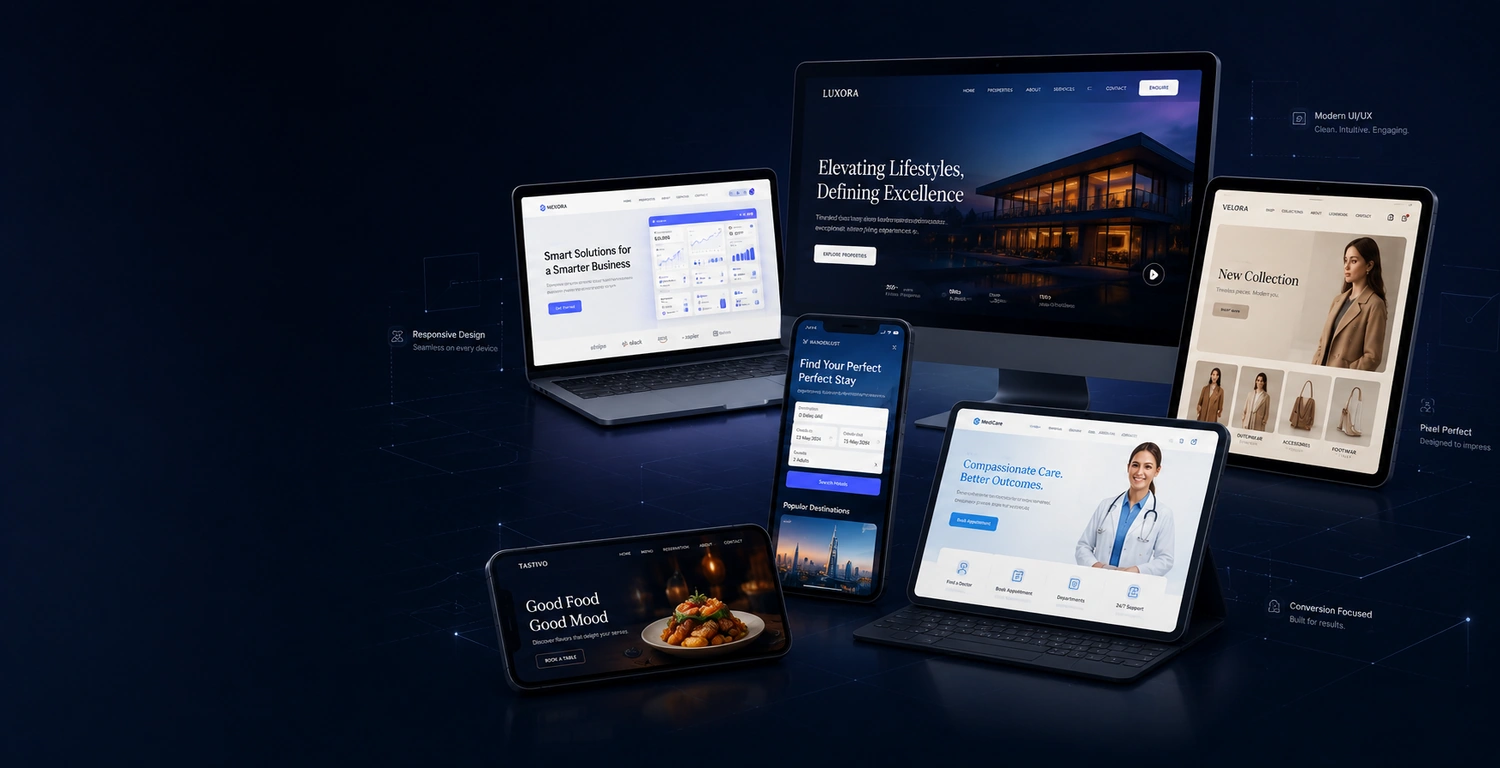
In today’s digital world, having a website is not enough to stand out online. Businesses need a website that is visually appealing, user-friendly, mobile-responsive, and optimised for search engines. A well-designed website can help visitors find information easily, stay longer, and take meaningful actions such as making enquiries or purchasing products.
But how does website design affect Google rankings?
Website design influences several factors that Google considers when evaluating web pages, including mobile usability, page experience, loading speed, site structure, and accessibility to search engine crawlers. While attractive design alone does not guarantee higher rankings, a technically sound and user-friendly website can support a successful SEO strategy.
In this blog, we explore how website design affects Google rankings and why businesses should invest in professional website design services.
1. Mobile-Friendly Website Design Improves User Experience
Most people browse websites using smartphones. If your website does not display properly on mobile devices, visitors may struggle to read content, navigate menus, or complete forms.
Google primarily uses the mobile version of a website’s content for indexing. Therefore, having a mobile-friendly website is important for maintaining a strong online presence.
A responsive website automatically adjusts its layout to different screen sizes, including smartphones, tablets, and desktops.
How mobile-friendly design helps:
- Makes content easier to read on smaller screens.
- Improves navigation and accessibility.
- Helps visitors interact with forms and buttons.
- Supports mobile-first indexing.
For businesses in Kerala, a responsive website helps potential customers access services conveniently, whether they are searching from Kottayam, Kochi, or elsewhere.
2. Website Loading Speed Can Influence Search Performance
Website speed plays an important role in user experience. Visitors may leave if a page takes too long to load, especially when browsing on mobile networks.
Google uses page experience signals, including Core Web Vitals, to assess aspects of the user experience. These metrics measure loading performance, responsiveness, and visual stability.
To improve website speed, businesses should consider:
- Compressing images without significantly reducing quality.
- Using efficient hosting services.
- Minimising unnecessary scripts and plugins.
- Enabling browser caching where appropriate.
- Reducing unnecessary redirects.
- Optimising CSS and JavaScript.
A faster website can make browsing more convenient and support SEO performance. However, speed improvements alone do not guarantee higher rankings because Google considers many other factors.
3. Clear Website Navigation Helps Search Engines Understand Your Site
A website should make it easy for visitors to find the information they need. Complicated menus, confusing page structures, and broken links can frustrate users and make important pages harder to discover.
A well-organised website uses a logical hierarchy of pages, descriptive navigation labels, and relevant internal links.
For example, a web development company might organise its website into these sections:
- Home
- Website Design Services
- E-commerce Website Development
- Web Application Development
- SEO Services
- Blog
- Contact Us
This structure helps users navigate the website and gives search engines useful context about the relationship between pages.
Internal links also help search engines discover other pages on your website. Important pages should be accessible through crawlable links rather than hidden behind complicated interactions.
4. User Experience and Page Design Matter
Good website design focuses on more than appearance. It helps visitors complete tasks easily and find useful information without confusion.
A website with readable text, clear headings, consistent layouts, and accessible navigation creates a better experience for users.
Important user experience elements include:
- Readable fonts and appropriate text sizes.
- Clear calls to action.
- Consistent colours and layouts.
- Simple contact and enquiry forms.
- Useful information placed where visitors expect it.
- Sufficient contrast between text and backgrounds.
Google does not simply rank a page higher because it has an attractive design or because visitors spend more time on it. However, a good user experience can help visitors engage with the content and achieve their goals.
5. SEO-Friendly Website Structure Makes Content Easier to Discover
A visually attractive website may still struggle in search results if its technical structure prevents search engines from accessing important content.
SEO-friendly website development considers how search engines crawl, render, and index web pages.
Essential elements include:
- Search-engine-accessible navigation.
- Descriptive page URLs.
- Unique title tags and meta descriptions.
- Proper heading hierarchy.
- XML sitemap configuration.
- Appropriate robots.txt settings.
- Canonical tags where needed.
- Correct handling of redirects and broken pages.
- Structured data when relevant.
These elements help search engines understand the website and identify the pages that should be indexed.
A professional website should be designed with SEO considerations from the beginning rather than treating optimisation as an afterthought.
6. High-Quality Content Needs an Effective Design
Content remains a key part of SEO. Even useful information can be difficult to consume when it is presented in long, unstructured blocks of text.
A good website layout supports content by using clear headings, short paragraphs, relevant images, and logical sections.
For example, a service page should explain what the business offers, who it serves, its key benefits, and how customers can get in touch.
Businesses can improve content presentation by:
- Using descriptive H1 and H2 headings.
- Including relevant keywords naturally.
- Breaking long content into readable sections.
- Adding meaningful image alt text.
- Linking to related services and blog articles.
- Answering common customer questions.
Website design and content strategy should work together to make information useful for both visitors and search engines.
7. Core Web Vitals and Visual Stability
Core Web Vitals are metrics Google uses to assess important aspects of page experience.
The three main metrics are:
- Largest Contentful Paint (LCP): Measures how quickly the main content becomes visible.
- Interaction to Next Paint (INP): Measures how quickly a page responds to user interactions.
- Cumulative Layout Shift (CLS): Measures unexpected movement of page elements during loading.
Poorly optimised images, slow server responses, heavy JavaScript, and elements that shift while loading can negatively affect these metrics.
Web developers can improve performance by optimising images, reserving space for images and advertisements, reducing unnecessary code, and improving server response times.
Good Core Web Vitals can contribute to a better page experience, but they are only part of Google’s overall ranking systems. Relevant, helpful content and other SEO factors remain essential.
8. Image Optimisation Supports SEO and Performance
Images help make websites more engaging, particularly for businesses in retail, hospitality, tourism, real estate, and interior design.
However, large image files can slow down a website if they are not optimised properly.
Follow these image optimisation practices:
- Use suitable image dimensions.
- Compress images to reduce file size.
- Use modern formats such as WebP or AVIF when appropriate.
- Write descriptive alt text for meaningful images.
- Use descriptive file names where practical.
- Lazy-load below-the-fold images when suitable.
Alt text helps communicate the purpose of meaningful images to people using assistive technology and can help search engines understand image content.
Optimised images can improve page performance while maintaining a professional visual appearance.
9. Website Security Builds Trust
Website security is essential for protecting users and maintaining a reliable online presence.
Using HTTPS helps encrypt information exchanged between the website and its visitors. It is also a lightweight Google ranking signal.
Businesses should implement an SSL/TLS certificate, keep their website platform and plugins updated, use secure forms, and maintain appropriate backups.
A secure website helps protect customer information and supports a trustworthy user experience. However, HTTPS alone will not make a website rank highly.
10. Accessible Website Design Benefits More Users
An accessible website is easier for a wider range of people to use, including people with visual, hearing, motor, or cognitive disabilities.
Useful accessibility practices include:
- Providing sufficient colour contrast.
- Supporting keyboard navigation.
- Using descriptive links and button labels.
- Adding captions to videos when appropriate.
- Providing meaningful alt text for informative images.
- Using clear headings and properly labelled forms.
Accessibility should be considered an important part of responsible website design. Although accessibility features are not all direct Google ranking factors, they can improve usability and help make website content easier to understand.
11. Website Design Can Improve Conversions and Business Growth
Google rankings are important, but attracting visitors is only one part of online success. A website should also encourage visitors to take the next step.
For a business website, useful conversion elements may include:
- Clearly displayed contact information.
- WhatsApp enquiry buttons where appropriate.
- Easy-to-complete enquiry forms.
- Service descriptions and pricing information where relevant.
- Customer testimonials and genuine case studies.
- Clear calls to action.
For example, a potential customer searching for a web design company in Kottayam should be able to understand the available services and contact the business without unnecessary steps.
While conversion improvements do not automatically increase Google rankings, they help businesses get more value from their organic traffic.
Why Choose Bitwissend for Website Design in Kottayam, Kerala?
Choosing the right website development partner is an important step for businesses that want to build a strong online presence.
Bitwissend is a web design and development company in Kottayam, Kerala, that businesses can consider for professional website solutions. For companies looking for the best web design company in Kottayam, it is worth evaluating providers based on their design quality, technical expertise, SEO knowledge, communication, and ability to meet business goals.
When developing a business website, important considerations include:
- Responsive website design: Ensuring the website works across mobile phones, tablets, and desktops.
- SEO-friendly development: Building a structure that supports crawling, indexing, and content optimisation.
- User-focused layouts: Making it easier for visitors to find information and contact the business.
- Performance optimisation: Reducing unnecessary loading delays and improving page responsiveness.
- Business-focused design: Aligning website structure and calls to action with business objectives.
If you are searching for a web design company in Kottayam, Kerala, consider discussing your goals, target audience, required features, budget, and long-term maintenance needs before choosing a provider.
A professionally designed website can serve as a foundation for your broader digital marketing strategy.
Conclusion
Website design and SEO are closely connected. Mobile responsiveness, loading speed, navigation, technical structure, accessibility, and content presentation can all influence how effectively a website serves users and supports search visibility.
However, good design is not a shortcut to the top of Google. Sustainable SEO requires a combination of useful content, technical optimisation, relevant keywords, trustworthy information, quality backlinks, and ongoing performance monitoring.
Businesses looking to improve their online presence should invest in a website that combines professional design with strong technical foundations. If you are exploring website design services in Kottayam, Kerala, Bitwissend is one option to consider when planning a website that supports your business and SEO goals.